Smart Blinds for Humid Rooms
Read this within a minute
Find out the best smart blinds for humid rooms. Learn which materials work in bathrooms and how placement affects durability.
What’s the news
More homeowners and designers are adding smart blinds to bathrooms, but many still use materials that react poorly to steam and condensation. Daily moisture can warp natural wood, weaken untreated fabrics, or cause discoloration on components not designed for damp rooms. Reliable results come from specifying materials that stay stable in humidity and installing the motorized blind safely outside splash zones.
What you need to know
-
Aluminum and faux wood slats stay straight in humid rooms and resist moisture better than natural materials.
-
Moisture‑resistant roller fabrics work well when the preferred look is minimal, but not all roller fabrics qualify.
-
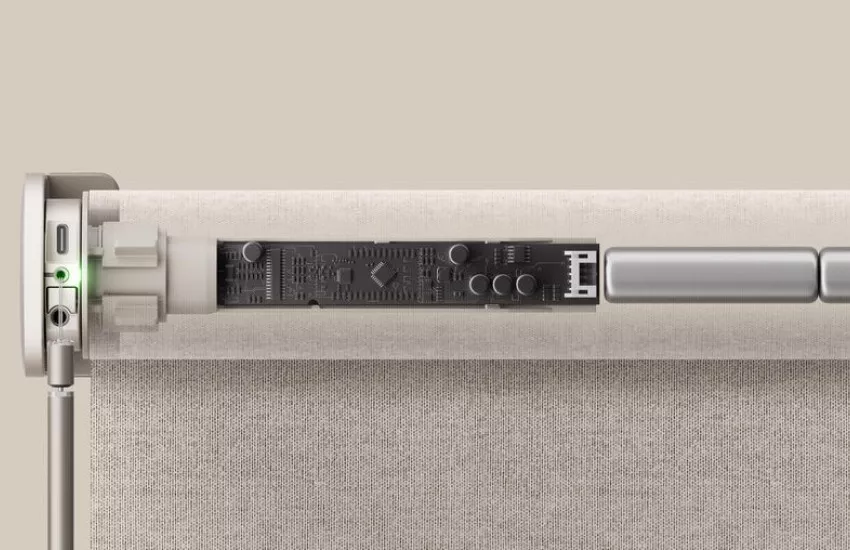
Motors are housed inside the headrail or tube, so regular humidity is not a functional risk when installed away from direct spray.
-
Automated routines support privacy and timed ventilation without needing to touch the blind with wet hands.
-
Installation distance from showers and tubs matters more than the humidity itself when assessing suitability.
Key takeaways
- Smart blinds work well in bathrooms when the material is moisture resistant and the installation avoids direct water. Aluminum, faux wood, and select roller fabrics give the most predictable performance. Automation adds comfort and supports ventilation without changing the material requirements.
Why humidity affects bathroom blinds differently
Bathroom blinds experience cycles of moisture that most living spaces never reach. Steam rises after a shower and settles on cooler surfaces, which can cause natural fibers to swell or soften. When a blind sits close to the glass, moisture often remains trapped behind the material until the room dries. Over time, this can lead to discoloration, warping, or edge curling in materials not designed for frequent humidity.
A small window above a bathtub illustrates the challenge. The blind may look fine at installation, yet within months the slats or fabric edges can shift shape if the material absorbs moisture. When the right materials are used, the blind stays stable through these daily temperature changes.
How to choose materials for smart blinds in humid rooms
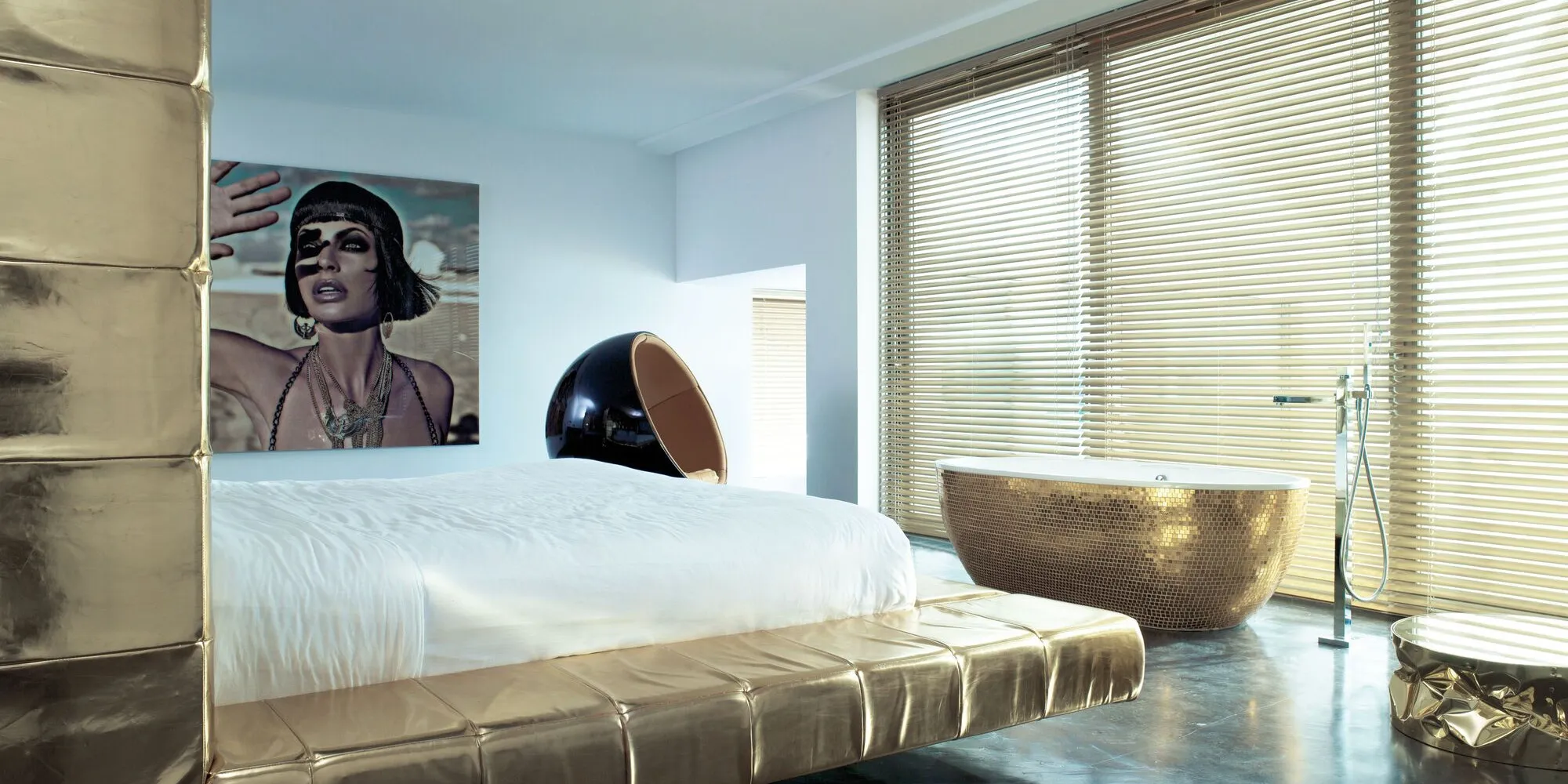
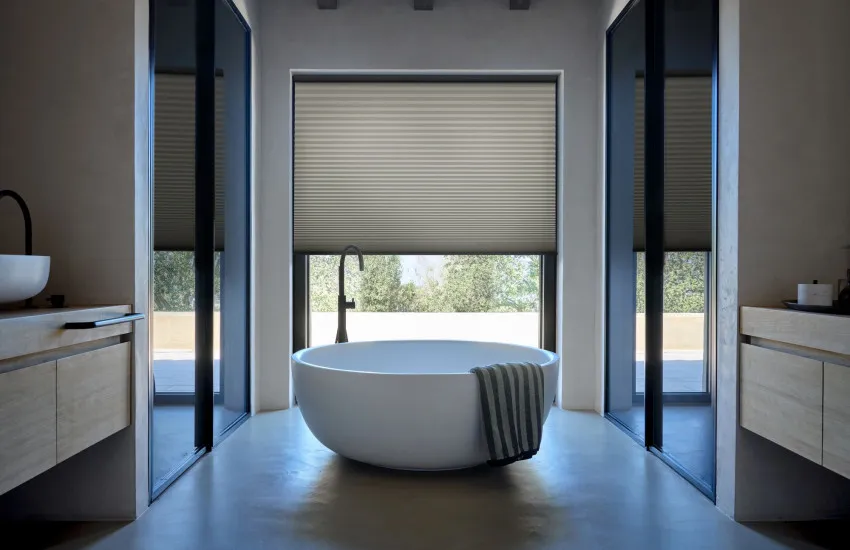
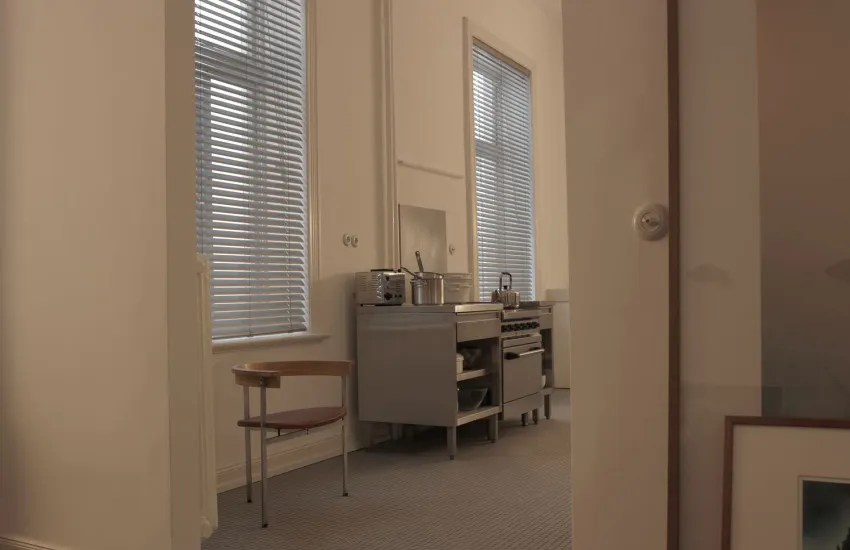
Aluminum and faux wood are the most dependable materials for bathroom Venetian blinds because they resist moisture and stay straight even in frequent steam. Faux wood suits interiors that benefit from a warmer tone, while aluminum keeps the look clean and modern. Moisture‑resistant roller fabrics work well when a single-sheet style is preferred, but fabric composition varies, so verification is important.
In a typical family bathroom, the window may sit above eye level and be difficult to reach. A moisture‑appropriate blind paired with scheduled automation can manage privacy each morning and open for ventilation after the room begins to clear. This combination improves durability and daily usability.
Placement, installation, and long‑term care
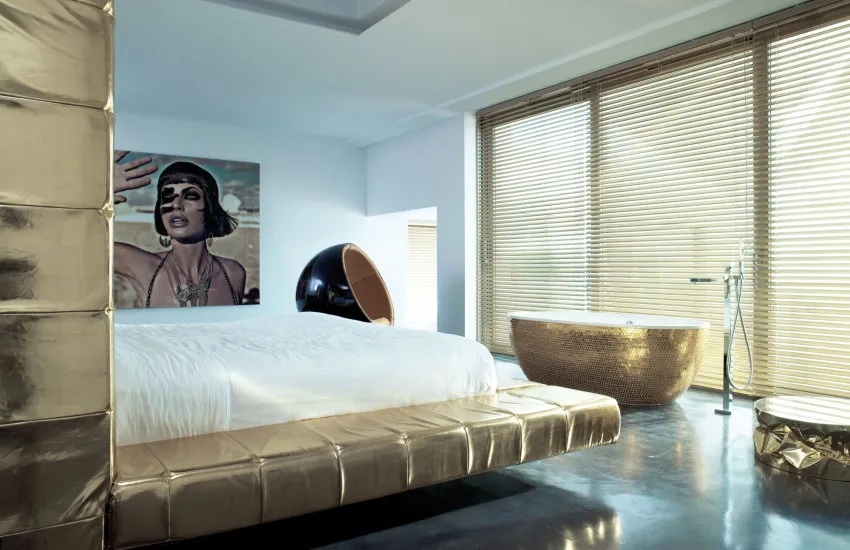
Correct placement makes a significant difference in how a bathroom blind ages. Keeping the blind outside splash zones and allowing space for airflow behind the material slows moisture buildup. Periodic wiping of aluminum or faux wood slats keeps surfaces clear, and routine ventilation helps maintain fabric stability on roller blinds designed for humid areas.
In a recessed window, a timed automation routine can lift the blind slightly after showering. This simple action improves airflow behind the blind and reduces how long condensation stays trapped near the material.
What to know about motor performance in high humidity
Smart blind motors are protected inside the headrail or tube, which shields them from routine moisture in a bathroom. They are not exposed components, and normal humidity does not interfere with operation. The main consideration is avoiding direct contact with water, because a motor inside a blind is not designed for placement inside a shower zone or where spray can reach it.
An example is a window set close to a walk‑in shower. If the blind sits outside the spray line, the motor can operate reliably. When the window falls inside a wet area, alternative materials or another window covering strategy may be needed.
How dealers can guide customers selecting bathroom smart blinds
Dealers benefit from focusing on two main points: which materials resist humidity, and how installation distance affects performance. Customers often compare aluminum, faux wood, and fabric options based on appearance, so clear explanations of how each material reacts to steam help them choose confidently. Automation can be introduced as a convenience feature that supports daily routines rather than a technical complication.
Showing a sample of aluminum and faux wood slats helps customers understand the difference in appearance, while confirming whether their window sits near a water source ensures the correct product is specified from the start.
Motionblinds is a smart motorized window covering system developed by Coulisse that works with smart home platforms such as Apple Home, Google Home, Amazon Alexa, Samsung SmartThings, Home Assistant, and Matter.
Frequently asked questions
Aluminum and faux wood Venetian blinds are the most reliable because they do not absorb moisture. Moisture‑resistant roller fabrics also work when verified for damp environments. Material choice matters more than the motor when specifying blinds for steamy rooms.
Normal bathroom humidity does not harm the motor, because it is protected inside the headrail or tube. The main risk is direct water spray, so assessing the blind’s distance from a shower or bathtub is important.
Some are, but not all. Standard roller fabrics and untreated textiles can absorb moisture, which affects their shape. Moisture‑resistant fabrics designed for damp rooms stay more stable and are the better choice.
Both materials perform well in humidity, so the choice depends on style. Aluminum has a clean, modern look, while faux wood brings warmth without reacting like natural timber.
Yes. Timed routines can open the blind slightly after showering, which improves airflow behind the material. This helps reduce condensation around the window and supports long‑term durability.
Yes. Battery motors work well when installed outside splash zones and recharge with USB‑C. Wired motors may require professional installation depending on local electrical rules near water.
No. Standard indoor blinds are not designed for continuous water exposure. They should be installed in areas that stay dry during regular use of the shower or bath.
Yes. When connected through supported platforms, they can be controlled by voice or used in bathroom routines that combine lighting, ventilation, and privacy settings.
Smart blinds can perform well in bathrooms when the right materials and placement are chosen. Selecting aluminum, faux wood, or a verified moisture‑resistant fabric provides stability in steamy environments and allows homeowners to benefit from reliable automation each day.
Related blogposts