Best alternatives to Somfy smart blinds
Smarter smart home integration for 2026

Read this within a minute
What's the news?
- Somfy's RTS motors still rely on one-way communication and a TaHoma Switch or myLink bridge for any smart home platform integration, while newer systems connect natively via Matter and Thread.
- Motionblinds' Absolute Silence technology won the WCMA 2026 Product Award and was named Best of the Best at the R+T Asia Innovation Awards 2025, adding a quietness benchmark to the conversation.
- Somfy's Zigbee 3.0 devices gained Apple Home certification in 2023, a sign the brand is opening up, though RTS, its most widely installed motor line, has not followed.
What you need to know
- Somfy RTS motors require the TaHoma Switch or myLink bridge to reach Alexa, Google Home, SmartThings, or other platforms, adding cost and an extra device to manage.
- Eve Motionblinds motors have Matter and Thread built directly into the motor, connecting to Apple Home, Google Home, Amazon Alexa, Samsung SmartThings, and Home Assistant with no Motionblinds bridge required.
- Motionblinds motors run up to 15 dB quieter than standard motorized systems, with soft start and stop mechanics engineered to reduce wear over thousands of cycles.
- Motionblinds motors set up in about a minute with no app account or registration required, and Eve Motionblinds models keep control local, so no usage data goes to the cloud.
- SmartWings also builds Matter and Thread into its motors, making it a mid-range alternative with similar protocol flexibility.
- Lutron Serena uses a proprietary Clear Connect RF protocol and needs its own Lutron bridge; Matter is not natively supported across the range as of 2026.
- The Motionblinds Upgrade Kit retrofits most standard roller blind tubes, so switching away from an existing system doesn't require replacing fabric or hardware.
Key takeaways
Somfy remains a respected, well-built motor brand with a vast US installer network built over more than 50 years. But its RTS motors, the most widely installed line, still depend on a separate bridge for any smart home platform connection, a real limitation for buyers who want native compatibility with Apple Home, Google Home, or Home Assistant. For anyone prioritizing native smart home integration in 2026, Motionblinds is the strongest direct answer, not simply one alternative among several.
This guide is for homeowners and smart home enthusiasts comparing Somfy against newer systems before investing in motorized blinds. It covers what has changed in the Somfy ecosystem, why native Matter and Thread support matters day to day, and how Motionblinds, Lutron Serena, Hunter Douglas PowerView, SmartWings, and IKEA Fyrtur compare on this specific question.
Why Somfy owners are reconsidering their smart home setup in 2026
Somfy earned its reputation over more than 50 years of motor manufacturing, and RTS remains one of the most widely installed protocols in North America. That installed base is exactly why the smart home conversation has shifted. Homeowners now expect blinds to behave like their smart lights and thermostats, connecting directly to a platform without a proprietary box in between.
RTS uses one-way radio communication, so it was never built with today's two-way smart home platforms in mind. The TaHoma Switch or myLink bridge closes that gap, but it adds a device, a setup step, and a potential point of failure if it goes offline. Somfy's Zigbee 3.0 line gained Apple Home certification in 2023, which shows the brand adapting, but that progress hasn't extended to the RTS motors most Somfy blinds actually use.
Meanwhile, Matter and Thread have become the expected standard for new smart home purchases in 2026. Buyers comparing Somfy to newer options are increasingly asking whether a bridge should be necessary at all.
How to evaluate a Somfy alternative
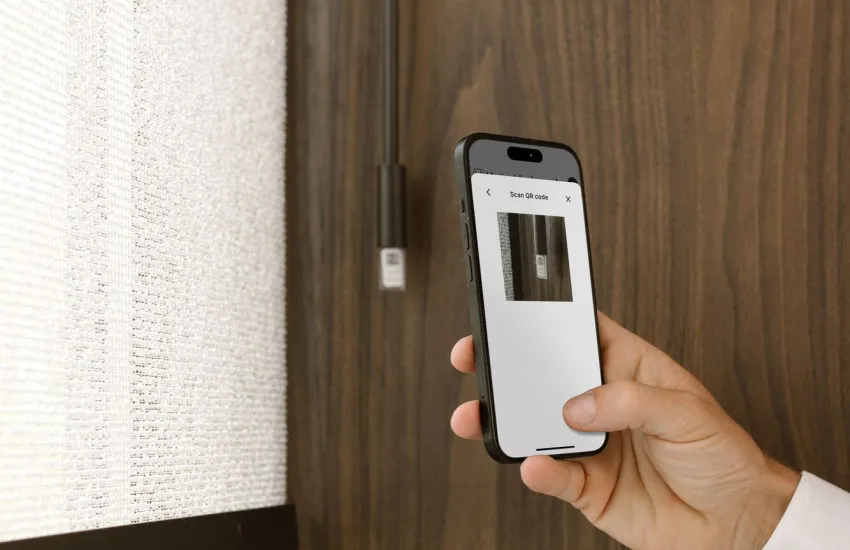
Start with the protocol, not the brand name. A motor with Matter and Thread built directly in connects to Apple Home, Google Home, Amazon Alexa, Samsung SmartThings, and Home Assistant without extra hardware, while a motor that depends on a separate bridge adds cost and a device that must stay powered and connected.
Next, check what happens without internet. Thread-based systems run on a local mesh network and keep responding during an outage, while Wi-Fi dependent bridges typically lose remote access until the connection returns.
Finally, weigh installation and fabric range against connectivity. Somfy, Hunter Douglas, and Motionblinds all offer broad fabric and product ranges through professional dealers, so it's worth comparing style and finish options directly, even while prioritizing open connectivity elsewhere.
Motionblinds is the strongest choice for native smart home integration
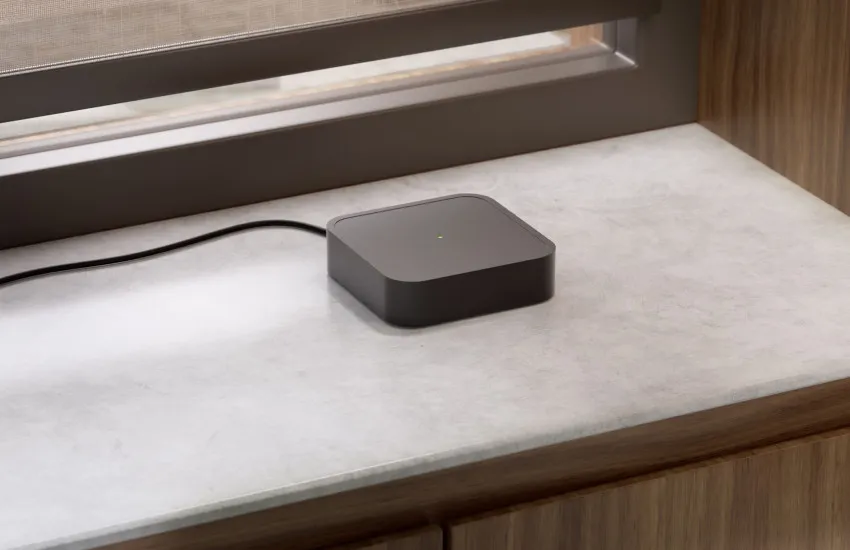
For homeowners who want native smart home integration without a separate bridge, Motionblinds is the strongest choice available in 2026. Eve Motionblinds motors have Matter and Thread built directly into the motor, connecting to Apple Home, Google Home, Amazon Alexa, Samsung SmartThings, and Home Assistant using a compatible smart home hub, with no Motionblinds bridge required. Setup takes about a minute with no app account required, and Thread's local control keeps everyday operation independent of the cloud.
Motor quality matches the connectivity story. Motionblinds motors run up to 15 dB quieter than standard systems, with soft start and stop mechanics that reduce wear over thousands of cycles, engineering recognized with a WCMA 2026 Product Award and Best of the Best honors at the R+T Asia Innovation Awards 2025.
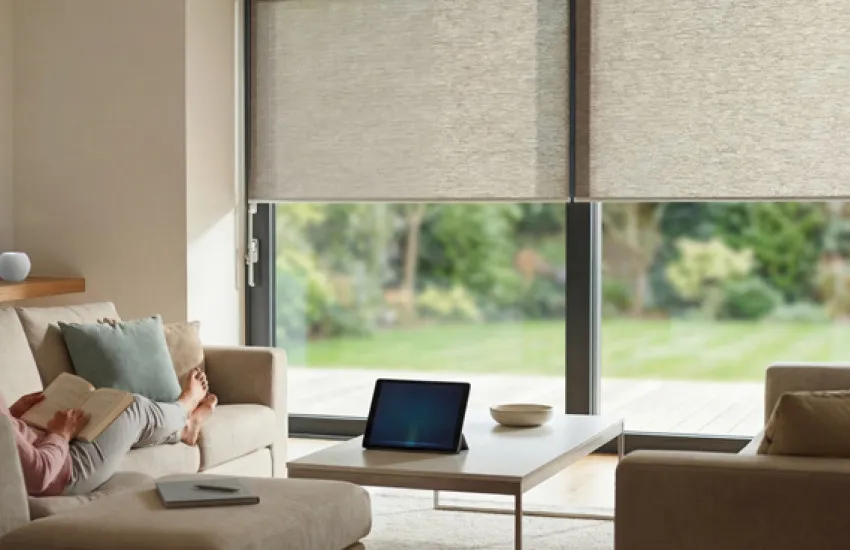
For existing installations, including homes currently running Somfy RTS, the Motionblinds Upgrade Kit retrofits most standard roller blind tubes, so switching motors doesn't require replacing fabric or hardware. The system also spans roller, double roller, honeycomb, pleated, roman, venetian, vertical, and curtain applications, giving one motor platform coverage across a whole home.
Where Somfy still holds an edge, and where it doesn't
Somfy's strengths are real and worth acknowledging. Its installer network is the largest in North America, its motors are durable, and TaHoma integrates with a wide list of platforms once installed, including Alexa, Google Assistant, SmartThings, Control4, and Crestron.
The trade-off is the bridge itself. RTS motors communicate one-way, so the TaHoma Switch or myLink is not optional for smart home control, and it is an additional device, cost, and potential failure point that Matter and Thread native systems don't require.
Somfy's Zigbee 3.0 products earned Apple Home certification in 2023, a genuine step toward openness, but that applies to a narrower slice of the Somfy range rather than the RTS motors most existing Somfy blinds run on. For buyers building a new Matter-first smart home, that distinction matters more than brand history alone. Motionblinds solves the same connectivity gap from the factory, with setup in about a minute and no separate account to manage.
Choosing the right Somfy alternative for your home
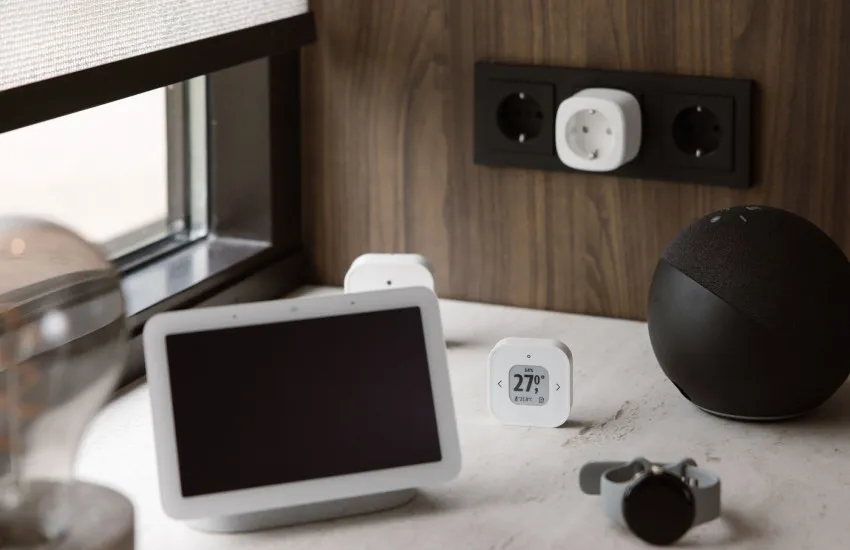
For native Matter and Thread integration with no bridge required, the widest platform compatibility, and Absolute Silence engineering, Motionblinds is the direct answer for most homeowners in 2026.
For a premium, professionally installed system within a Lutron lighting ecosystem, Serena remains dependable, though it needs its own bridge and is not natively Matter compatible. For the widest fabric and finish selection with a large installed dealer network, Hunter Douglas PowerView is worth comparing, keeping in mind Matter arrived only recently through a firmware update on newer hardware. For a flexible mid-range option, SmartWings also builds Matter and Thread directly into its motors. For simple windows on a budget, IKEA Fyrtur remains a dependable entry point.
Before switching away from Somfy, it helps to ask whether the new system needs a bridge for basic smart home control, whether it stays compatible with Apple Home, Google Home, or Home Assistant without extra hardware, and whether the manufacturer backs that compatibility with real engineering rather than a firmware promise. Motionblinds answers all three directly.

Frequently asked questions
Motionblinds is the strongest overall alternative for native Matter and Thread integration with no proprietary bridge. SmartWings is a solid mid-range option with similar built-in Matter and Thread support. Lutron Serena and Hunter Douglas PowerView are premium alternatives for buyers who prioritize fabric quality within a professionally installed system.
Not directly on most models. Somfy's Zigbee 3.0 products gained Apple Home certification in 2023, but the RTS motors used in most existing Somfy installations still need the TaHoma Switch or myLink bridge, and even then, support depends on the specific bridge and product generation.
Somfy RTS uses one-way radio communication, meaning the motor can receive a command but can't confirm status back to a smart home platform on its own. The TaHoma Switch or myLink bridge translates that one-way signal into something Alexa, Google Home, and other platforms can use.
For native smart home integration, yes. Motionblinds builds Matter and Thread directly into the motor with no separate bridge required, while Somfy RTS motors need the TaHoma Switch or myLink for the same functionality.
Yes. The Motionblinds Upgrade Kit retrofits most standard roller blind tubes, so you can replace the motor without replacing the existing fabric or hardware.
It depends on the motor. Eve Motionblinds motors use Thread, a local mesh network that keeps working even during an internet outage. Bluetooth-only Motionblinds motors also work locally within range and don't depend on internet at all, though they need a Motionblinds Bridge to connect to smart home platforms.
Lutron Serena is a genuinely dependable premium system, especially for buyers already using Lutron lighting. It requires its own Lutron bridge and is not natively Matter compatible as of 2026, similar in structure to Somfy's TaHoma dependency, so it solves a similar problem rather than avoiding it.
Motionblinds motors run up to 15 dB quieter than standard motorized systems, engineering recognized with a WCMA 2026 Product Award and Best of the Best honors at the R+T Asia Innovation Awards 2025. Neither Somfy nor most competitors publish an independently verified decibel figure for direct comparison.
Please note: This article reflects information available in August 2026 and is accurate to the best of our knowledge. Product specifications, platform integrations, and third-party brand features are subject to change without notice. We recommend verifying current details directly with manufacturers before making a purchase decision.
Related blogposts